





Needlepoint stitch guides in PDF format offer detailed instructions and visual aids for various techniques. These digital resources, like the “Patchwork Apple” guide,
provide convenient access to learning new stitches and completing projects.
What is Needlepoint?
Needlepoint, a centuries-old embroidery form, involves stitching yarn through a stiff canvas mesh. Unlike cross-stitch, which creates images on evenweave fabric, needlepoint relies on the canvas’s structure to define the design. Historically, it adorned ecclesiastical textiles and furnishings, evolving into a popular pastime for creating decorative pillows, wall hangings, and accessories.
Modern needlepoint embraces diverse styles, from traditional motifs to contemporary abstract designs. PDF stitch guides, such as those featuring “Patchwork Apple” patterns, are invaluable resources for both beginners and experienced stitchers. These guides provide detailed charts and instructions, enabling crafters to execute intricate stitches with precision. The availability of digital guides expands access to a wider range of patterns and techniques, fostering creativity within the needlepoint community.
Why Use PDF Stitch Guides?
PDF stitch guides revolutionize the needlepoint experience, offering unparalleled convenience and accessibility. Unlike traditional printed patterns, digital guides like the “Patchwork Apple” example, are instantly downloadable, eliminating shipping costs and wait times. They’re easily stored and viewed on various devices – tablets, laptops, or even smartphones – making stitching on the go a breeze.
Furthermore, PDFs often include detailed close-up images and color palettes, enhancing clarity and minimizing errors. Many guides offer interactive features, such as clickable links to stitch tutorials or thread recommendations. The affordability of digital resources also makes exploring new stitches and designs more accessible, encouraging experimentation and skill development within the needlepoint craft.
Basic Needlepoint Stitches
Fundamental stitches, essential for beginners, form the foundation of needlepoint. PDF guides illustrate techniques like Tent, Half Cross, and Basketweave, building core skills.
Tent Stitch (Continental Stitch)
The Tent Stitch, also known as the Continental Stitch, is arguably the most fundamental stitch in needlepoint. PDF stitch guides frequently begin with this technique due to its simplicity and versatility. It involves bringing the needle up through one hole of the canvas and down through a diagonally adjacent hole, creating a slanted stitch.
These stitches are typically worked in rows, and can be oriented in various directions to create different visual effects. PDF resources often demonstrate how to achieve consistent tension for a smooth, even finish. Mastering the Tent Stitch is crucial as it serves as the base for many more complex patterns and designs. It’s a building block for achieving beautiful, textured needlepoint pieces, and is often the first stitch taught in introductory needlepoint PDF guides.
Half Cross Stitch
Half Cross Stitch is a variation of the classic cross stitch, and is frequently detailed in needlepoint PDF guides. Instead of completing a full ‘X’ shape, you work only one half of the cross. This is achieved by bringing the needle up through one hole and down through a diagonally adjacent hole, similar to the Tent Stitch, but only completing half of the diagonal.
PDF tutorials often showcase how rows of Half Cross Stitch can create subtle shading or texture. It’s a useful technique for backgrounds or filling larger areas with a less dense stitch. Many digital guides demonstrate how to combine Half Cross Stitch with other stitches for more intricate designs. It’s a versatile stitch, offering a softer look than a full cross stitch, and is a valuable addition to any needlepointer’s skillset.
Basketweave Stitch
Basketweave Stitch, a fundamental technique in needlepoint, is often thoroughly explained within comprehensive PDF stitch guides. This stitch creates a textured surface resembling woven baskets, achieved by alternating diagonal stitches. Typically, you work rows of diagonal stitches going in one direction, then return with rows going in the opposite direction, interlocking them.
PDF resources frequently illustrate how to maintain consistent tension for a neat, even weave. The stitch is excellent for filling large areas and provides a sturdy, durable finish. Digital guides may also demonstrate variations, like the horizontal or vertical basketweave. Mastering this stitch is crucial, as it forms the base for many more complex needlepoint patterns and designs, offering a classic and reliable texture.
Intermediate Needlepoint Stitches
PDF stitch guides unlock more complex techniques like Diagonal Satin, Hungarian Point, and Cashmere Stitch, building upon basic skills for detailed designs.
Diagonal Satin Stitch
Diagonal Satin Stitch, often detailed in needlepoint PDF guides, creates a smooth, lustrous surface by working stitches diagonally across a section of canvas. Unlike straight satin stitch, the diagonal approach minimizes the risk of snagging and provides greater stability, especially over larger areas.
PDF resources typically illustrate how to maintain consistent tension and stitch length for a flawless finish. Mastering this stitch allows for beautiful shading and highlighting effects, adding depth and dimension to your needlepoint projects. The angle of the diagonal can be varied to follow the contours of a design, enhancing its visual appeal. Many online guides demonstrate how to blend colors seamlessly using this technique, resulting in a professional-looking outcome.
Beginners may find PDF tutorials helpful in understanding the stitch direction and securing the thread properly.
Hungarian Point
Hungarian Point, frequently covered in comprehensive needlepoint PDF stitch guides, is a textured stitch creating a delightful, nubby effect. It’s formed by making a small tent stitch, then bringing the needle up diagonally adjacent to it, creating a ‘V’ shape. This technique is excellent for filling areas where you want to add visual interest and dimension.
PDF tutorials often emphasize maintaining consistent stitch size for a uniform appearance. The stitch is particularly useful for rendering foliage, fur, or other organic textures. Digital guides showcase variations, like using different thread weights or colors to enhance the textured effect.
Learning from detailed PDF instructions ensures proper execution and a beautiful, raised surface. It’s a versatile stitch, adding depth to any needlepoint design.
Cashmere Stitch
Cashmere Stitch, often detailed in needlepoint PDF stitch guides, is a filling stitch known for its soft, luxurious appearance. It’s created by working diagonal stitches over two canvas threads, resulting in a gently textured surface resembling cashmere fabric. PDF resources highlight its suitability for backgrounds or areas needing subtle shading.
Digital guides demonstrate how varying thread weights can alter the stitch’s texture, from a delicate sheen to a more pronounced, tactile feel. Mastering this stitch requires consistent tension to avoid puckering. Instructional PDFs often include diagrams illustrating the stitch’s progression.
Cashmere Stitch is a beautiful choice for adding a refined touch to your needlepoint projects, offering a sophisticated alternative to traditional filling stitches.
Advanced Needlepoint Stitches
Advanced needlepoint techniques, often found in detailed PDF guides, require precision and practice. These stitches elevate projects with complex textures and designs.
Flame Stitch
Flame Stitch, a visually striking technique, creates a dynamic, flame-like effect within your needlepoint design. Often detailed in advanced PDF stitch guides, mastering this stitch requires careful attention to color blending and directional stitching. The illusion is achieved by working groups of stitches that gradually change hue, mimicking the flickering form of a flame.
PDF guides typically illustrate the stitch progression, showing how to transition between shades to build the flame shape. These resources often include charts indicating the color sequence and stitch placement. While seemingly complex, breaking down the stitch into smaller sections, as demonstrated in digital tutorials, makes it more approachable. The Flame Stitch adds depth and movement, transforming a simple canvas into a captivating piece of art.
Bargello Stitch (Florentine Stitch)
Bargello Stitch, also known as Florentine Stitch, is a captivating needlepoint technique renowned for its bold, repeating patterns and vibrant color combinations. PDF stitch guides dedicated to Bargello often showcase intricate designs, providing detailed charts and step-by-step instructions. This stitch relies on vertical stitches worked in a consistent direction, creating a mesmerizing wave-like effect.
Digital resources emphasize the importance of precise tension and consistent stitch length to achieve a clean, defined pattern. PDF guides frequently include color keys and diagrams illustrating the stitch sequence. While appearing complex, Bargello is built upon a relatively simple principle, making it accessible with practice. The result is a stunning, textured surface that elevates any needlepoint project.
Needlepoint Lace Stitch
Needlepoint Lace Stitch is an advanced technique that mimics the delicate appearance of traditional lace. PDF stitch guides specializing in this stitch provide detailed diagrams and instructions for creating intricate, openwork designs. Unlike traditional filling stitches, Lace Stitch involves strategically leaving spaces within the needlepoint canvas, resulting in a light and airy texture.
Digital resources often highlight the importance of using a sturdy canvas and appropriate thread weight to maintain structural integrity. PDF guides typically demonstrate how to create various lace motifs, such as floral patterns or geometric shapes. Mastering this stitch requires patience and precision, but the resulting effect is a truly stunning and unique needlepoint piece.
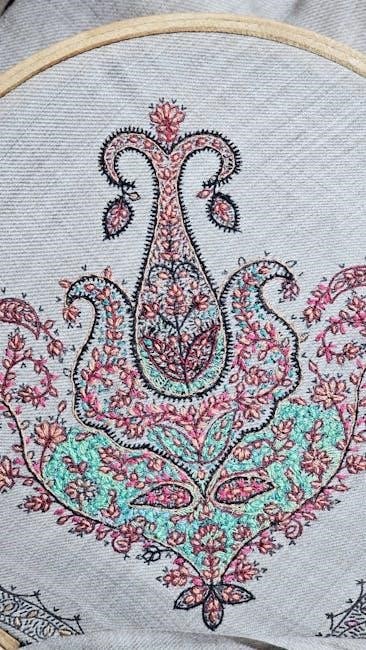
Decorative & Textured Stitches
PDF stitch guides showcase embellishments like French Knots and Couching Stitch, adding dimension. These digital resources inspire creativity and unique textures.
French Knots
French Knots are a classic decorative stitch frequently detailed in needlepoint PDF guides. They create a small, raised knot on the surface of the canvas, adding texture and visual interest to your designs. These guides often provide step-by-step photographic or illustrated instructions, making it easier to master this technique, even for beginners.
PDF resources demonstrate how to consistently form neat, uniform knots by wrapping the thread around the needle multiple times before inserting it back into the canvas near the original entry point. The number of wraps influences the knot’s size. French Knots are versatile; they can be used to create floral centers, add details to animal fur, or form entire patterns. Many digital stitch guides offer variations, such as clustered knots or spaced knots, expanding creative possibilities.

Couching Stitch
Couching Stitch, often illustrated in comprehensive needlepoint PDF guides, involves laying a thicker thread or yarn across the canvas surface and securing it with small stitches – the “couching” stitches – worked at regular intervals. This technique allows for the use of textured or bulky materials that cannot be easily needlepointed directly.
PDF resources typically showcase various couching patterns, from simple parallel lines to more intricate designs. The securing stitches can be nearly invisible, emphasizing the laid thread, or become a decorative element themselves. Digital guides often demonstrate how to achieve smooth curves and sharp angles with the couched thread. Couching is ideal for outlining shapes, creating bold graphic elements, or adding a luxurious feel to your needlepoint projects. It’s a versatile stitch for both beginners and experienced stitchers.
Plaid Stitch
Plaid Stitch, frequently detailed in needlepoint PDF stitch guides, creates a beautiful textured effect resembling woven fabric. This stitch is formed by working diagonal stitches in alternating colors, mimicking the classic plaid pattern. PDF tutorials often provide charts illustrating the stitch sequence and color changes needed to achieve a precise plaid design.
Digital resources demonstrate how to adjust the angle and density of the stitches to create different plaid variations, from subtle to bold. The stitch is excellent for backgrounds, borders, or even entire designs. Needlepoint PDF guides emphasize the importance of consistent tension to maintain a neat and even plaid appearance. It’s a visually appealing stitch that adds depth and dimension to any needlepoint project, offering a classic and timeless aesthetic.
Finding & Utilizing PDF Stitch Guides
Needlepoint PDF stitch guides are readily available online, both free and for purchase, offering detailed instructions and visual aids for various techniques.
Where to Download Free PDF Guides
Locating free needlepoint stitch guides in PDF format requires a bit of online searching, but numerous resources exist for enthusiasts. Platforms like Pinterest, as evidenced by the “Patchwork Apple” guide listings across multiple domains (au, ru, co, tr), often host links to downloadable PDFs.
While direct downloads aren’t always available on Pinterest, these pins frequently lead to Etsy shops or personal blogs offering free patterns and stitch instructions. Searching specifically for “free needlepoint stitch guide PDF” on Google or other search engines can also yield valuable results.
Many needlepoint designers and bloggers offer introductory guides as free samples to attract customers. Remember to always respect copyright and terms of use when downloading and utilizing these free resources.
Paid PDF Stitch Guide Resources
For more comprehensive and specialized needlepoint stitch guides, several platforms offer paid PDF resources. Etsy, as highlighted by the “Patchwork Apple” example, is a prominent marketplace where independent designers sell detailed stitch guides. These often include multiple stitch variations, shading techniques, and complete project patterns.
Dedicated needlepoint websites and online stores frequently feature a selection of downloadable PDF guides. These resources typically offer higher quality charts, clearer instructions, and more intricate designs than free options.
Investing in paid guides can be particularly beneficial for learning advanced stitches or tackling complex projects, providing a structured learning experience and professional-level results.
Understanding PDF Guide Symbols & Charts
Needlepoint PDF guides rely heavily on symbols and charts to represent stitches, colors, and canvas placement. Familiarizing yourself with these conventions is crucial for successful stitching. Most guides include a key explaining each symbol’s corresponding stitch or thread color.
Charts typically depict the canvas grid, with symbols indicating where to place each stitch. Pay close attention to the chart’s orientation and any notes regarding stitch direction or shading. Understanding how the symbols translate to actual stitches is key.
Digital guides often allow zooming for detailed viewing of intricate charts, ensuring accurate stitch placement and a polished final product.
Troubleshooting Common Stitching Issues
PDF guides often lack interactive troubleshooting, so address tension, mistakes, and thread/needle choices independently. Careful review and practice are essential for success!
Dealing with Uneven Tension
Uneven tension is a frequent challenge in needlepoint, and PDF stitch guides, while visually helpful, don’t always directly address this. Maintaining consistent tension is crucial for a polished finish. If stitches appear loose or puckered, it indicates inconsistent tension;
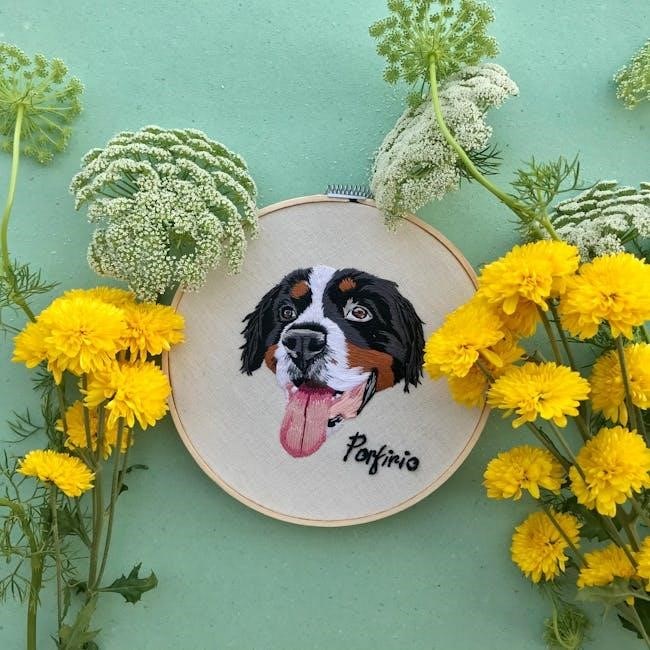
To correct this, consciously focus on pulling the thread through the canvas with the same amount of force each time. Avoid yanking or pulling too tightly. Refer to diagrams within your PDF guide to ensure correct stitch formation, as improper technique can contribute to tension issues.
Practice on a scrap piece of canvas to develop a feel for the right tension. Consider using a thread conditioner to smooth the thread and reduce friction, promoting more even pulls. Consistent tension creates a neat, professional-looking needlepoint piece.
Fixing Mistakes in Needlepoint
Even with detailed PDF stitch guides, mistakes happen! Don’t despair; needlepoint errors are usually fixable. If you’ve stitched a stitch incorrectly, carefully remove the thread using a seam ripper or small, sharp scissors. Be cautious not to damage the canvas fibers.
PDF guides often lack specific error correction sections, so practice gentle removal. For larger mistakes, you might need to unravel several stitches. Re-stitch the area, paying close attention to the guide’s diagrams to ensure accuracy.
Preventative measures, like double-checking your work as you go, are helpful. A light box can illuminate the canvas, making it easier to spot errors. Remember, patience is key when correcting mistakes in needlepoint!
Choosing the Right Needle & Thread
PDF needlepoint stitch guides often assume a basic understanding of materials. Selecting the correct needle and thread is crucial for a successful project. Canvas hole size dictates needle size; a larger hole requires a larger needle.
Thread weight impacts stitch definition. Guides may suggest specific thread types, but experimentation is encouraged. Wool, silk, and cotton are common choices. Ensure the thread smoothly passes through the canvas holes without strain.
Consider the project’s complexity when choosing thread. Finer threads are ideal for detailed work, while thicker threads provide bolder coverage. Always test a small section to confirm compatibility before committing to the entire project.