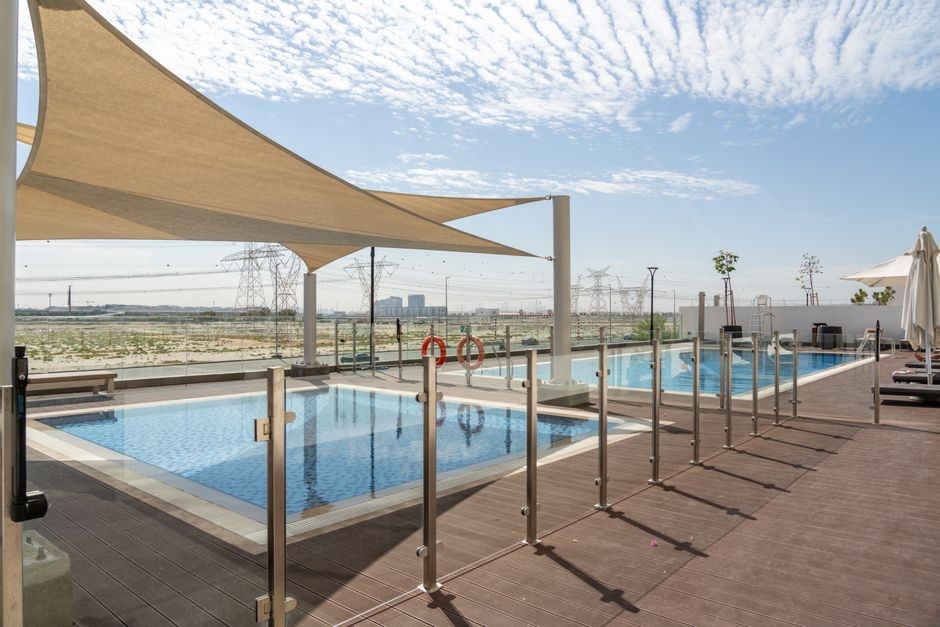






Overview of Pool Fence Regulations in Victoria
Victoria’s pool fence rules stem from the 2016 Act and 2024 updates‚ requiring a minimum 1.2‑m height‚ child‑proof design‚ and regular inspections. Official PDFs detail design standards‚ permit forms‚ and enforcement penalties‚ ensuring safety across all local councils. Latest PDF guide lists dates here.!
Legal Framework and Key Statutes
Victoria’s pool fence legislation is anchored in the 2016 Water Safety Act‚ amended in 2024 to tighten child‑protection standards. The Act requires a fence at least 1.2 metres high‚ a self‑locking gate‚ and a design that prevents accidental entry by children under five. Complementary State Fire and Water Safety Regulations set construction materials‚ durability‚ and maintenance standards. Local councils enforce these rules through the Building Regulations Act 1999‚ which mandates a permit for any fence installation or modification. Permit applications must include detailed drawings‚ a statement of compliance‚ and a signed declaration from the property owner or contractor. The Victorian Building Authority (VBA) maintains a database of approved fence designs and offers downloadable PDFs of the latest guidelines‚ including the 2024 update that introduces a 1.5‑metre minimum height for commercial pools. Non‑compliance can lead to fines up to $10‚000‚ mandatory rectification orders‚ and‚ in extreme cases‚ removal of the pool. The Act provides a limited exemption for pools fully enclosed by a wall or roof‚ but a secondary barrier of at least 0.6 metres remains required. All statutory documents are available online in PDF format‚ and the VBA supplies a step‑by‑step application guide to help homeowners and contractors navigate the permitting process. The legal framework is designed to protect children while giving property owners clear‚ enforceable guidelines for fence design‚ installation‚ and maintenance. The VBA publishes a compliance checklist and requires annual inspection reports to be filed with the council. Owners must retain proof of fence certification for five years‚ modifications must be reported within 30 days to avoid penalties…
State Fire and Water Safety Act Details
The Victorian State Fire and Water Safety Act‚ enacted in 2016 and amended in 2024‚ sets strict safety standards for all swimming pools. It requires a fence at least 1.2 m high‚ with a self‑locking gate that cannot be opened by a child under five. Fences must be made of non‑slip‚ fire‑resistant materials‚ and all joints and gaps must be sealed. The 2024 amendment raised the minimum height to 1.5 m for commercial pools and requires any fence modification to be inspected by a licensed fire safety officer before use. The Act also mandates a child‑proof latch and a warning label in English and the local Indigenous language. Compliance is monitored through a mandatory annual inspection report‚ which must be submitted to the local council and retained for five years. Non‑compliance can result in fines up to $12‚000‚ mandatory rectification orders‚ and‚ in extreme cases‚ temporary closure of the pool. The Act provides downloadable PDF guides with design specs‚ installation checklists‚ and a step‑by‑step application process for a fire safety certificate. These resources are hosted on the Victorian Building Authority website and updated annually to reflect changes in legislation and industry best practices. The enforcement framework includes a tiered penalty system: first‑time offenders receive a warning and a 30‑day compliance deadline; repeat violations trigger escalating fines and potential legal action. The Victorian Fire and Water Safety Council offers an online portal for downloading PDF forms‚ submitting inspection reports‚ and tracking permit status. The council also hosts quarterly webinars to educate owners on changes to the Act and best fence‑maintenance practices. The Act specifies fences must have at least 2 mm thick steel reinforcement to withstand fire exposure and ensure a 30‑year lifespan‚ and must be painted with a fire‑retardant coating meeting AS 3745. Records be kept for five years per
Local Council Ordinances and Variations

Victoria’s local councils interpret the State Fire and Water Safety Act with nuanced ordinances that reflect community risk profiles and building stock. For example‚ the City of Melbourne requires a 1.5‑m high fence for all residential pools‚ while the Shire of Mornington Peninsula allows a 1.2‑m fence if the pool is more than 10 m from any public road. The City of Geelong mandates non‑combustible‚ fire‑rated panels and a child‑proof latch that cannot be opened by a child under five. In contrast‚ the Rural Shire of Baw Baw permits a 1.2‑m fence but requires a secondary safety net if the pool is adjacent to a waterway. Each council publishes a PDF guide detailing dimensions‚ material specifications‚ and inspection intervals. These guides are available on the council’s website and are updated annually to reflect changes from the State Act or local zoning amendments. Owners must submit a completed PDF application form‚ attach proof of fence installation (photos‚ contractor certificates)‚ and pay a nominal fee—$50 in metropolitan areas and $30 in rural districts. The council’s online portal allows owners to track application status‚ receive reminders for annual inspections‚ and download compliance certificates. Failure to comply can result in a fine of up to $5‚000‚ a repair order‚ or a temporary closure of the pool for safety reasons. Owners should verify the PDF guide for each council before proceeding‚ and failure to meet the specified height or material standards can trigger enforcement actions. This ensures compliance and safety today. Consulting the PDF guide also helps avoid costly penalties. Now.

Required Fence Height and Design Standards
Victoria’s pool fence law‚ updated in 2024‚ sets a mandatory minimum height of 1.20 m (4 ft) for all residential pools. If a pool is within 5 m of a public road or part of a multi‑unit dwelling‚ the required height rises to 1.50 m (5 ft). The fence must be continuous‚ with gaps no wider than 5 cm (2 in) that a child could fit through‚ and the top must be at least 30 cm (12 in) above the pool surface. Materials must be fire‑rated or non‑combustible‚ and the fence should be made of durable composites or steel. Latches must be child‑proof‚ meaning a child under five cannot open them without adult help; the latch should be positioned at least 1.20 m above ground. The fence must have a non‑toxic‚ water‑resistant finish that meets Victorian Building Authority standards. All components must comply with AS 1428.1 for access and mobility‚ ensuring no obstruction to emergency access. Annual inspections by an accredited inspector are required‚ and a PDF compliance certificate must be issued. Failure to meet height or design criteria can trigger enforcement action‚ fines‚ or mandatory repairs. Local council PDFs provide detailed drawings‚ material lists‚ and installation instructions. For example‚ Melbourne’s PDF requires a 1.50 m fence for pools within 10 m of a street and mandates a secondary safety net if the fence is not fire‑rated. Mornington Peninsula’s PDF allows a 1.20 m fence but requires a 1.00 m secondary barrier if the fence is not fire‑rated. Owners should consult the relevant PDF before installation to ensure compliance with statutory and council‑specific standards. Compliance protects children and shields homeowners from penalties and legal liabilities. All PDFs are available on state and council websites for download and submission during the permit application process.!
Installation and Inspection Procedures

Before any fence is erected‚ owners must lodge a formal permit application with the local council‚ attaching a certified design drawing that conforms to the 2024 Victorian Building Authority specifications. The council will review plan‚ confirm the required 1.20‑m (or 1.50‑m for high‑risk sites) height‚ issue a written approval. Only a licensed fencing contractor may carry out the installation; the contractor must present proof of registration and insurance. The fence must be anchored to a concrete footing or a masonry base that meets the structural load criteria outlined in the PDF. During installation‚ the contractor must ensure that the fence is level‚ the latches are child‑proof‚ and the top rail is at least 30 cm above the pool surface. Once the fence is complete‚ the contractor must notify the council and schedule an inspection. An accredited inspector will verify that the fence meets height‚ gap‚ latch‚ and material requirements‚ and will record any deviations. If the fence passes inspection‚ the inspector will issue a compliance certificate‚ which must be retained by the owner for at least five years and kept in a safe place to avoid loss!. Should the fence fail‚ the owner receives a written notice detailing corrective actions‚ and a re‑inspection is scheduled. The inspection process also includes a check of the pool’s safety signage‚ emergency exit routes‚ and any secondary barriers if the primary fence is not fire‑rated. All inspection reports and certificates are stored in a PDF format on the council’s online portal‚ and a copy is mailed to the homeowner. Regular annual inspections are mandated by the 2024 amendments‚ and failure to attend can result in fines or mandatory removal of the fence. The certificate must be kept safe!.
Compliance Documentation and PDF Requirements

All parties involved in a Victorian pool fence project must compile a set of electronic documents in PDF format. The council’s online portal provides a downloadable “Fence Permit Application” PDF‚ which includes sections for site details‚ fence dimensions‚ material specifications‚ and contractor credentials. After the fence is installed‚ the contractor must submit a “Completion Certificate” PDF‚ signed by both the owner and the inspector‚ confirming that the fence meets the 1.20‑m height‚ child‑proof latch‚ and material standards set out in the 2024 Act. The owner must keep a copy of this certificate for a minimum of five years‚ and the PDF must be stored in a secure cloud folder or hard‑copy archive. For annual inspections‚ the inspector issues an “Inspection Report” PDF that lists any non‑conformities and required remedial actions. If the fence fails inspection‚ the owner receives a “Failure Notice” PDF with a deadline for corrections. All PDFs must be in Adobe Acrobat Reader‑compatible format‚ with embedded metadata indicating the date of issue‚ inspector name‚ and council reference number. The council’s compliance database automatically indexes each PDF‚ allowing quick retrieval during audits or enforcement actions. Failure to submit the required PDFs within 30 days of the inspection can trigger a penalty of up to $500‚ and repeated non‑compliance may result in a mandatory fence removal order. The PDF forms are available in both English and Indigenous languages‚ ensuring accessibility for all residents. The council also offers a “PDF Builder” tool that auto‑fills standard fields based on the owner’s property data‚ reducing manual entry errors. All documentation must be signed electronically using a certified digital signature‚ which the council verifies against its public key infrastructure. This ensures the authenticity and integrity of the compliance record. The final PDF package is archived in the council’s electronic records system for 10 years‚ after which it is automatically purged unless requested by the owner for an extended retention period. Compliance documentation is therefore a critical component of the Victorian pool fence regulatory framework‚ safeguarding public safety and maintaining legal accountability. Additionally‚ the council publishes a quarterly compliance digest in PDF form‚ summarizing recent enforcement actions and updates to the fence code‚ which owners and contractors are encouraged to review to stay current with legislative changes. The PDF digest is also indexed by the council’s online search engine‚ enabling stakeholders to locate specific case studies or penalty notices by keyword or reference number. All PDFs are stored in a version‑controlled repository‚ so any amendments to the fence design or inspection findings are tracked with timestamps and author identifiers‚ providing a transparent audit trail for both the council and the property owner. This rigorous documentation regime supports the council’s goal of reducing accidental drownings and ensuring that every pool fence in Victoria meets the highest safety standards. The council’s PDF guidelines also specify that any fence modifications must be reported within 14 days‚ and a revised PDF must be submitted for re‑inspection. Owners can access the PDF repository via a secure login‚ where they can download all past certificates and inspection reports for their records. The council encourages the use of the PDF forms to reduce paper waste‚ aligning with Victoria’s environmental sustainability targets.
Penalties for Non‑Compliance
Victoria’s pool fence legislation imposes a tiered penalty system to deter violations. A first‑offence notice carries a fine of $250‚ and the owner must submit a corrected fence certificate within 30 days. Failure to comply triggers a second notice‚ raising the fine to $500 and mandating a council‑approved inspection. If the fence still fails‚ the council may issue a removal order‚ requiring a fence to be dismantled or re‑installed to meet the 1.20‑m height and child‑proof latch standards. Repeated non‑compliance can lead to a civil penalty of up to $1‚000 per day until rectification‚ and the council reserves the right to suspend the owner’s pool licence for up to 12 months. In extreme cases‚ the owner may face a criminal charge under the State Fire and Water Safety Act‚ with potential imprisonment of up to 12 months and a fine of $5‚000. All penalties are documented in a PDF notice‚ signed by the council inspector‚ and the owner has 14 days to appeal. Appeals must be lodged in PDF form via the council portal and will be reviewed by an independent tribunal within 30 days. The tribunal’s decision is final and binding‚ and any subsequent non‑compliance will result in enforcement action‚ including towing of the fence or seizure of the property. The council publishes a quarterly compliance report in PDF format‚ summarizing enforcement actions and providing guidance on avoiding penalties. Owners are encouraged to maintain a digital record of all compliance documents to streamline the appeal process and demonstrate good faith cooperation with the council’s safety objectives. Council enforcement may issue a “Stop Work” order if the fence is dangerously low or lacks a child‑proof latch‚ requiring the owner to halt all fence‑related work until a re‑inspection within 14 days lifts the order; non‑compliance can result in an additional fine of $750 and civil liability for injuries. Owners should upload a signed compliance statement and warranty to the council portal as PDFs within 7 days of completion‚ or face a default penalty of $300‚ while the 2026 Good‑Faith clause offers a 10% penalty reduction for rectifications within 60 days‚ provided a written explanation in PDF form is submitted.

Exemptions and Special Cases
Victoria’s pool fence legislation recognises a range of exemptions designed to accommodate unique circumstances while preserving safety. The most common exemptions include:
- Residential properties where the pool is located in a heritage‑listed building and the fence would compromise architectural integrity; owners must submit a heritage impact assessment PDF and secure a council‑approved alternative safety plan.
- Commercial venues such as hotels or resorts that already maintain a 1.5‑m safety barrier integrated into their existing security infrastructure; a single inspection certificate suffices.
- Public or community pools that are part of a municipal water‑management scheme and are subject to separate state water safety regulations; the council accepts a state‑issued compliance report in lieu of a local fence certificate.
- Temporary pools used for events‚ festivals or construction sites; owners must provide a temporary fence plan PDF and a 48‑hour notice to the council.
Special cases also cover situations where the pool is situated in a floodplain or a site with a documented history of accidental drownings. In such scenarios‚ the council may waive the 1.20‑m height requirement if an alternative child‑proof barrier is installed and certified by a licensed safety engineer. Additionally‚ owners of multi‑unit dwellings where the pool is shared among residents may apply for a collective fence exemption‚ provided a joint ownership agreement PDF is lodged and all residents sign a safety acknowledgment. Finally‚ the legislation allows for a “no‑fence” exemption for pools that are fully enclosed by a locked‚ fire‑rated wall or a glass enclosure that meets the fire‑safety standard; a structural engineer’s report PDF is required to validate compliance. All exemption requests must be accompanied by a detailed PDF application‚ supporting documentation‚ and a fee of $150‚ payable online via the council portal. The council reviews each request within 30 days and issues a written decision in PDF format‚ which owners must keep on file for future audits. (see PDF guide for details). (downloadable)!ok
Recent Amendments and Updates (2024‑2026)
In 2024 Victoria amended the pool fence code to tighten child‑proof requirements‚ raising the mandatory height from 1.20 m to 1.30 m for all new installations. The amendment also introduced a “smart‑sensor” clause‚ allowing owners to install electronic gates that log entry times in a downloadable PDF logbook. The 2025 update added a “green‑roof” exemption for pools integrated into rooftop gardens‚ provided the roof structure meets a 5‑year load‑bearing assessment. In 2026‚ the council rolled out a digital compliance portal‚ enabling owners to submit inspection PDFs‚ receive real‑time alerts‚ and schedule annual checks. The portal also offers a new “community‑pool” module‚ where multi‑unit complexes can share inspection data‚ reducing duplicate paperwork. All amendments are codified in the State Fire and Water Safety Act‚ and the full text is available as a PDF on the Victoria Government website. The latest PDF guide includes a step‑by‑step checklist for owners to verify compliance‚ a list of approved fence manufacturers‚ and a FAQ section addressing common concerns about sensor‑enabled gates and roof‑integrated pools. Compliance deadlines are set for 31 December 2026 for existing pools‚ with a grace period of 12 months for upgrades. Failure to meet the new height or sensor requirements by the deadline can result in a fine of up to $5‚000 and mandatory fence replacement within 90 days. The amendments aim to enhance safety while providing flexibility for innovative design solutions. Owners should consult PDF guide for compliance timelines now!!!.
Accessing Official PDF Guides and Forms

Victoria’s pool fence legislation is consolidated in downloadable PDFs hosted on the State Fire and Water Safety website. The titled “Pool Fence Compliance Manual 2026”‚ is a guide PDF the outlines criteria‚ inspection protocols. To access it‚ navigate to the “Regulations” tab‚ select “Pool Safety”‚ and click the PDF icon. The site‚ also offers‚ a “Application Form – Fence Permit” PDF‚ which must be printed‚ signed‚ and returned to the local council. For digital submissions‚ the council’s online portal accepts PDF uploads in a secure‚ encrypted format. The portal provides a real‑time status tracker‚ allowing owners to see whether their application is pending‚ approved‚ or requires additional documentation. A supplementary PDF‚ “Fence Inspection Checklist”‚ is available for contractors and homeowners alike; it lists mandatory inspection points and the required documentation for each. All PDFs are available in both English and Spanish‚ with the Spanish version linked via a toggle button on the download page. The website also hosts a FAQ PDF that addresses common questions about sensor‑enabled gates‚ roof‑integrated pools‚ and exemption criteria. To ensure compliance‚ owners should download the latest version of each PDF before beginning construction‚ as updates are released quarterly. The PDFs are stored in a public folder on the government’s secure server‚ and each file is assigned a unique DOI for citation purposes. Owners should verify the fence meets safety standards and keep all documentation for inspections. OK
Resources for Contractors and Homeowners
For professionals and property owners‚ Victoria offers a suite of tools to navigate pool fence compliance. The State Fire and Water Safety portal hosts a PDF Toolkit that bundles the latest fence specifications‚ design templates‚ and a step‑by‑step installation guide. Contractors can download the Installation Checklist PDF to verify each component—post spacing‚ latch type‚ and sensor placement—meets statutory thresholds. Homeowners may use the Online Permit Form to submit a digital application‚ which automatically links to the council’s case‑tracking system. The portal also offers a Compliance Calendar that alerts users to upcoming inspection dates and renewal deadlines. For visual reference‚ the Fence Design Gallery PDF showcases approved designs‚ including child‑proof gates and decorative options that satisfy both safety and aesthetic criteria; Additionally‚ the Victorian Building Authority publishes a Code of Practice PDF that explains how fence requirements integrate with broader building codes. All documents are available in both English and Spanish‚ and the site provides a Help Center with video tutorials and FAQs. Contractors can also register for the annual Pool Safety Workshop‚ which offers hands‑on training and certification in fence installation and inspection. By leveraging these resources‚ stakeholders can ensure timely compliance‚ avoid penalties‚ and maintain a safe swimming environment for families across Victoria. Maintenance logs should be kept for each fence component‚ and any incidents or near‑misses must be recorded to demonstrate ongoing compliance to inspectors. Owners should also verify that ornamental elements do not compromise the fence’s structural integrity.!