






Schumacher SE-82-6 Owners Manual: A Comprehensive Guide
This guide offers detailed instructions for the Schumacher SE-82-6 charger, covering safety, operation, and battery compatibility. It’s readily available on the Internet Archive for free download.
The Schumacher SE-82-6 is a versatile, dual-rate manual battery charger designed for a wide range of 12 and 6-volt lead-acid batteries. This charger efficiently recharges conventional, low maintenance, maintenance-free, and deep-cycle batteries commonly found in automobiles, trucks, RVs, boats, and various other vehicles and equipment.
Its dual-rate capability – offering both 6 and 2-amp charging options – allows users to tailor the charging process to the battery’s size and condition. The SE-82-6 is known for its simplicity and reliability, making it a popular choice for both novice and experienced users. Access to the owner’s manual, available through resources like the Internet Archive, ensures users can maximize the charger’s performance and extend battery lifespan.
Availability of the Owners Manual (Internet Archive)
The Schumacher SE-82-6 owner’s manual is readily accessible through the Internet Archive, a digital library offering free access to a vast collection of resources. Users can download the manual in multiple formats, including PDF, single-page processed JP2 ZIP, and even torrent files, providing flexibility based on individual needs and preferences.
The Internet Archive hosts 15 files related to the SE-82-6, ensuring comprehensive documentation is available. This online availability eliminates the need to search for a physical copy, making it convenient for users to quickly access important information regarding safety precautions, operating instructions, and troubleshooting tips. The manual is easily searchable, allowing users to pinpoint specific details efficiently.
Document Details: Page Count and File Size
The Schumacher SE-82-6 owner’s manual, as found on resources like Google Docs and ManualsBase.com, is a concise document designed for quick reference. It comprises 7 pages, offering a focused overview of the charger’s features and operation. The file size is approximately 350.06 KB, making it a lightweight download that won’t consume significant storage space or bandwidth.
This compact size ensures the manual is easily accessible and doesn’t overwhelm users with unnecessary information. The PDF format maintains document integrity and allows for easy printing or viewing on various devices. Despite its brevity, the manual covers essential aspects of safe and effective charger usage, including battery type compatibility and troubleshooting guidance.
Compatibility with Multiple Schumacher Models
Notably, the Schumacher SE-82-6 owner’s manual isn’t solely dedicated to that specific model. It serves as a comprehensive guide for a range of Schumacher battery chargers, enhancing its value to owners of various devices. Specifically, it covers the SE-1010-2, SE-1052, and SE-1250 models, alongside the SE-4022 and SE-82-6 itself.
This consolidated approach streamlines information access, eliminating the need for separate manuals for each similar charger. Schumacher Electric provides this unified resource to ensure users can apply the same safety precautions and operating procedures across multiple product lines. The manual’s broad compatibility reflects a common design philosophy and simplifies maintenance for Schumacher customers.

Safety Precautions & Important Instructions
Prioritize safety! This manual details crucial precautions for operating the SE-82-6, covering electrical hazards, battery charging, and ventilation requirements for safe use.
General Safety Warnings
Always read and understand all instructions before using the Schumacher SE-82-6 battery charger. Exercise caution when working with batteries, as they contain corrosive acid and can produce explosive gases. Never charge damaged batteries. Ensure the charger is used in a well-ventilated area to prevent gas accumulation.
Avoid short-circuiting the battery terminals, as this can cause sparks and potential explosions. Do not disassemble the charger. Keep the charger dry and away from flammable materials. Always disconnect the charger from the power source before connecting or disconnecting the battery. Supervise children closely when near the charger. Regularly inspect the charger’s cord and plug for damage, and replace if necessary. Follow these warnings to ensure safe operation and prevent injury.
Electrical Safety Guidelines
Ensure the power outlet is properly grounded and matches the charger’s voltage requirements. Never operate the charger with a damaged cord or plug; replace them immediately. Avoid using extension cords unless absolutely necessary, and if used, ensure they are of sufficient gauge to handle the charger’s amperage.
Do not expose the charger to rain or moisture. Always disconnect the charger from the power source before cleaning or performing maintenance. Never touch the charger’s terminals or battery terminals while the charger is connected to power. Inspect the power cord regularly for cracks or fraying. Follow all local electrical codes and regulations. Prioritize electrical safety to prevent shocks, fires, and damage to the charger.
Battery Charging Safety
Always charge batteries in a well-ventilated area to prevent the buildup of explosive gases. Never charge a frozen battery; thaw it completely before attempting to charge. Ensure proper polarity connection – red to positive (+), black to negative (-). Avoid short-circuiting the battery terminals.

Do not overcharge the battery, as this can cause damage or explosion. Inspect the battery for cracks or leaks before charging. Keep sparks and flames away from the battery during charging. Use appropriate safety glasses and gloves when handling batteries. Refer to the battery manufacturer’s recommendations for specific charging instructions. Prioritize battery safety to prevent injury and damage.
Proper Ventilation Requirements
Battery charging produces flammable and explosive hydrogen gas. Therefore, adequate ventilation is crucial for safe operation of the Schumacher SE-82-6. Charge batteries outdoors or in a well-ventilated space, avoiding confined areas. Ensure cross-ventilation to disperse gases effectively.
Do not allow smoking, open flames, or sparks near the charging area. Avoid charging in poorly ventilated garages or basements without proper airflow. Consider using a fan to enhance ventilation if natural airflow is insufficient. Regularly inspect the charging area for gas buildup. Prioritize ventilation to minimize the risk of explosion or fire during the charging process, safeguarding both property and individuals.
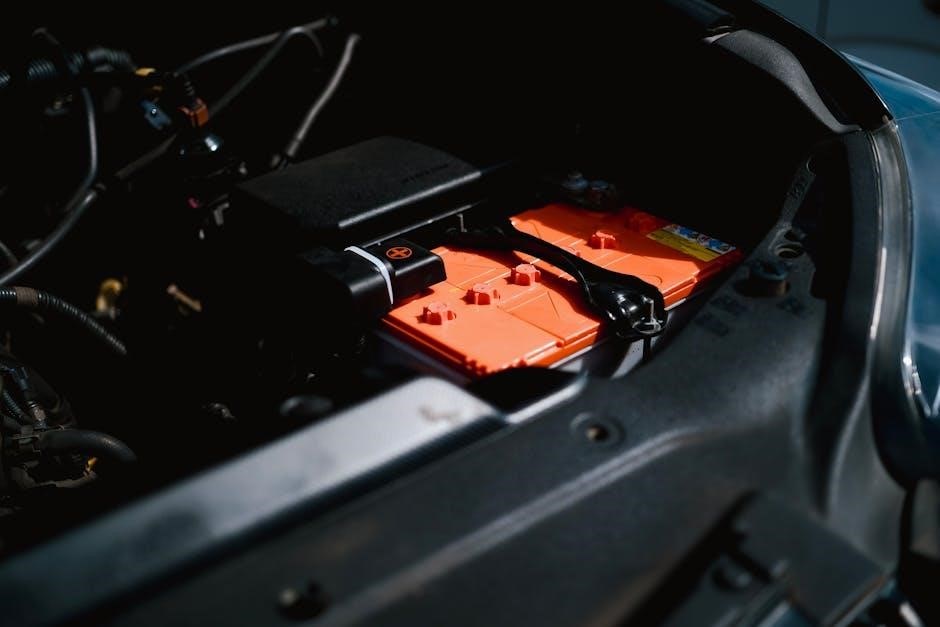
Understanding the SE-82-6 Features
The SE-82-6 boasts dual rate charging (6/2 Amp), 12/6 Volt options, and compatibility with various battery types—conventional, low maintenance, deep cycle, and maintenance-free.
Dual Rate Charging Capabilities (6/2 Amp)
The Schumacher SE-82-6 is equipped with a versatile dual rate charging system, offering both 6 Amp and 2 Amp charging speeds. This flexibility allows users to optimize the charging process based on the battery’s size and state of discharge.
The 6 Amp rate is ideal for faster charging of larger batteries that require a quicker boost, while the 2 Amp rate provides a slower, gentler charge suitable for smaller batteries or those in a deeply discharged condition. Utilizing the lower rate can help prevent overcharging and extend battery life.

Selecting the appropriate rate is crucial for efficient and safe charging. Refer to the battery manufacturer’s recommendations or the battery’s label for guidance on the optimal charging rate. Proper rate selection ensures the battery receives the correct amount of current for optimal performance and longevity.
12/6 Volt Charging Options
The Schumacher SE-82-6 charger provides the capability to charge both 12-volt and 6-volt batteries, enhancing its versatility for a wide range of applications. This dual voltage functionality makes it suitable for use with vehicles, motorcycles, boats, and other equipment utilizing different battery systems.
The voltage selection is typically achieved through a switch or setting on the charger, allowing users to easily configure it for the specific battery being charged. Incorrect voltage selection can damage the battery or the charger, so it’s vital to confirm the battery’s voltage before connecting it.
Always verify the battery’s voltage requirement before initiating the charging process. Using the correct voltage ensures safe and effective charging, maximizing battery life and performance. Refer to the battery’s label or manufacturer’s specifications for accurate voltage information.
Battery Type Compatibility
The Schumacher SE-82-6 is designed to recharge several lead-acid battery types, offering broad compatibility for automotive and recreational needs. Specifically, it supports conventional lead-acid batteries, low maintenance batteries, maintenance-free batteries, and deep cycle batteries.
This versatility makes it ideal for charging batteries found in cars, trucks, tractors, airplanes, vans, RVs, and golf carts. However, it’s crucial to select the appropriate charging rate and voltage based on the specific battery type and its capacity.
Using the incorrect settings can lead to undercharging, overcharging, or even damage to the battery. Always consult the battery manufacturer’s recommendations for optimal charging procedures and ensure compatibility before connecting to the charger.
Indicator Lights and Their Meanings
The Schumacher SE-82-6 utilizes indicator lights to communicate the charger’s status and charging progress. Understanding these lights is vital for safe and effective operation. Typically, a “Power” light indicates the charger is receiving AC power and is ready for use.
A “Charge” light illuminates when the charging cycle is active, signifying current is flowing to the battery. A “Full Charge” or “Maintenance” light signals the battery has reached its optimal charge level or is entering a maintenance phase.
If a light flashes or behaves unexpectedly, consult the troubleshooting section of the owner’s manual, as this may indicate a problem with the charger or the battery itself. Proper interpretation of these indicators ensures optimal battery care.

Operating Instructions
To begin, connect the charger to a grounded AC power source. Next, securely attach the clamps to the battery terminals, observing proper polarity—red to positive, black to negative.
Connecting the Charger to a Power Source
Before connecting the Schumacher SE-82-6 to a power source, ensure the charger is switched off. Locate a standard AC power outlet, verifying it provides the correct voltage – typically 120V in North America. Inspect the power cord for any damage, such as cuts or exposed wires; do not use if damaged.
Plug the charger’s power cord firmly into the outlet. Avoid using extension cords if possible; if necessary, use a heavy-duty extension cord rated for the charger’s amperage. Ensure the outlet is properly grounded to prevent electrical shock. Never operate the charger in wet or damp conditions. Confirm the charger remains off until the battery is connected and the desired settings are selected.
Connecting the Charger to the Battery
Prior to connection, ensure the battery is in a well-ventilated area and free from flammable materials. Identify the positive (+) and negative (-) terminals on the battery. Attach the red clamp to the positive terminal and the black clamp to the negative terminal. Ensure a secure connection, avoiding any contact between the clamps.

Double-check polarity before proceeding; reversed polarity can damage the charger and battery. If the battery terminals are corroded, clean them with a wire brush before connecting. Avoid touching the clamps together while connected to the battery. Confirm the clamps are firmly attached and won’t dislodge during charging.
Selecting the Correct Charging Rate
The Schumacher SE-82-6 offers dual rate charging – 6 amps and 2 amps. For smaller, low-capacity batteries, utilize the 2-amp rate for a slower, gentler charge. Larger batteries, or those deeply discharged, benefit from the faster 6-amp rate. Consider the battery’s amp-hour (Ah) rating; a lower Ah battery requires a lower charge rate.
Overcharging can damage the battery, so select the appropriate rate based on battery type and condition. Refer to the battery manufacturer’s recommendations when available. Monitoring the charging process is crucial, regardless of the selected rate. Always start with the lower rate if unsure, and adjust if necessary.
Monitoring the Charging Process
Regularly check the battery voltage and electrolyte levels (if applicable) during charging. The indicator lights on the SE-82-6 provide visual cues regarding the charging status. Pay attention to any unusual noises, smells, or excessive heat emanating from the battery or charger. Avoid leaving the charger unattended for extended periods, especially during initial charging phases.
Once the battery is fully charged, disconnect the charger immediately to prevent overcharging. A fully charged battery will typically exhibit a stable voltage reading and the charger’s indicator light will change accordingly. Consistent monitoring ensures optimal battery health and prolongs its lifespan, while also safeguarding against potential hazards.

Battery Types & Charging Considerations
The Schumacher SE-82-6 charger is designed for conventional, low maintenance, maintenance-free, and deep cycle lead-acid batteries found in various vehicles and equipment.
Conventional Lead-Acid Batteries
Conventional lead-acid batteries, commonly found in older vehicles, require regular maintenance, including checking and topping off electrolyte levels with distilled water. The Schumacher SE-82-6 is fully compatible with these battery types, offering both 6 and 2 amp charging rates for optimal recharging.
When charging, ensure the battery is in a well-ventilated area due to potential hydrogen gas release during the charging process. It’s crucial to select the appropriate voltage – 6 or 12 volts – based on the battery’s specifications. Avoid overcharging, as this can lead to damage and reduced battery lifespan. Regular monitoring during the charging cycle is recommended to prevent issues.
The SE-82-6 effectively restores and maintains conventional lead-acid batteries, providing a reliable charging solution for automotive, marine, and other applications. Proper charging extends the battery’s life and ensures consistent performance.
Low Maintenance Batteries
Low maintenance batteries, a step up from conventional types, require less frequent water additions due to their design. The Schumacher SE-82-6 charger is well-suited for these batteries, offering versatile charging options to suit their specific needs. Utilize the dual rate (6/2 amp) functionality for controlled recharging, preventing damage and maximizing lifespan.
While requiring less attention than conventional batteries, periodic inspection for corrosion and cleanliness is still recommended. Ensure proper ventilation during charging, as with all lead-acid battery types. Selecting the correct voltage (6V or 12V) is paramount for safe and effective charging.
The SE-82-6 provides a reliable and efficient charging solution for low maintenance batteries found in various vehicles and applications, contributing to extended battery performance and longevity.
Maintenance-Free Batteries
Maintenance-free batteries represent a significant advancement, eliminating the need for water additions throughout their service life. The Schumacher SE-82-6 charger is fully compatible with these sealed units, offering a safe and convenient charging experience. Employ the appropriate voltage setting (6V or 12V) based on the battery’s specifications.
Due to their sealed construction, these batteries do not require regular inspection for water levels. However, maintaining clean terminals and ensuring adequate ventilation during charging remain crucial. The dual rate charging (6/2 amp) allows for tailored charging profiles, preventing overcharging and extending battery life.
The SE-82-6 provides a dependable charging solution for maintenance-free batteries commonly found in modern vehicles and recreational equipment, ensuring optimal performance and longevity.
Deep Cycle Batteries
Deep cycle batteries are designed for sustained discharge and recharge cycles, making them ideal for applications like RVs, golf carts, and marine use. The Schumacher SE-82-6 effectively charges these batteries, but requires careful consideration of charging parameters. Utilize the lower 2-amp rate for a slower, more thorough charge, especially for deeply discharged batteries.

Avoid rapid charging with the 6-amp setting on deeply discharged deep cycle batteries, as this can reduce their lifespan. Monitor the charging process closely, and avoid overcharging. Proper ventilation is essential during charging, as these batteries can release gases.
The SE-82-6 provides a reliable charging solution, but understanding the specific needs of deep cycle batteries is crucial for maximizing their performance and longevity.
Troubleshooting Common Issues
If the charger fails to power on, check the power source and connections. For charging issues, verify proper battery connection and rate selection for optimal results.
Charger Not Powering On
If your Schumacher SE-82-6 isn’t powering on, begin with the simplest checks. First, ensure the charger is securely plugged into a functioning electrical outlet. Test the outlet with another device to confirm it’s providing power. Next, inspect the charger’s power cord for any visible damage, such as cuts or frayed wires. A damaged cord presents a safety hazard and should be replaced.
Also, verify the on/off switch is in the ‘on’ position. Sometimes, a seemingly faulty charger simply requires a reset. Try unplugging the charger for a few minutes, then plugging it back in and attempting to power it on again. If these steps don’t resolve the issue, further investigation or professional repair may be necessary.
Battery Not Charging
If the Schumacher SE-82-6 is powered on but the battery isn’t charging, several factors could be at play. First, double-check the connections between the charger clamps and the battery terminals. Ensure a clean, secure connection is established – corrosion can impede the charging process. Verify the charger is set to the correct voltage (6V or 12V) and charging rate (2A or 6A) for your battery type.
An incompatible setting will prevent proper charging; Also, confirm the battery itself isn’t severely discharged or damaged. A deeply discharged or faulty battery may not accept a charge. Finally, inspect the charger’s indicator lights for any error signals, as they can provide clues about the issue.
Overheating Issues
If the Schumacher SE-82-6 charger becomes excessively hot during operation, immediately disconnect it from both the power source and the battery. Overheating indicates a potential malfunction and poses a safety risk. Ensure the charger has adequate ventilation; do not operate it in a confined space without proper airflow. Check for obstructions blocking the vents, such as dust or debris.
Prolonged use at a high charging rate (6A) can contribute to overheating, especially with smaller batteries. Consider reducing the charging rate to 2A. If the issue persists despite proper ventilation and a lower charging rate, the charger may require professional servicing or replacement. Do not continue using an overheating charger.
Indicator Lights Malfunctioning
If the indicator lights on the Schumacher SE-82-6 are not functioning correctly – displaying incorrect statuses, flickering, or remaining off when they should be on – it suggests an internal issue. First, ensure the connections to the battery are secure and clean, as a poor connection can sometimes cause erratic light behavior. If the problem persists, the charger’s internal circuitry may be faulty.
Do not attempt to disassemble or repair the charger yourself; this could be dangerous and void any warranty. Contact a qualified technician for diagnosis and repair. Malfunctioning lights prevent accurate monitoring of the charging process, potentially leading to overcharging or undercharging of the battery. A faulty unit should be replaced for safe and reliable operation.