






The Allure of “The Secret History” by Donna Tartt: A Deep Dive into the PDF & Beyond
The digital quest for a “The Secret History” PDF reflects the novel’s enduring popularity and accessibility desires. Online discussions from 2020-2026 highlight this demand‚ alongside concerns about legality.
Understanding the Novel’s Enduring Popularity
Donna Tartt’s “The Secret History” continues to captivate readers years after its 1992 release‚ fueled by a potent combination of literary merit and a compelling narrative. The persistent online search for a “The Secret History” PDF‚ evidenced by discussions dating back to 2020 and continuing through 2026‚ isn’t solely about circumventing purchase costs. It speaks to a desire for immediate access to a story that has achieved almost cult status.
The novel’s appeal lies in its exploration of dark themes – murder‚ guilt‚ and the seductive power of exclusivity – set against the backdrop of a privileged academic environment. This resonates with a broad audience‚ particularly those drawn to the “Dark Academia” aesthetic. The intricate plot‚ complex characters‚ and Tartt’s evocative prose contribute to a reading experience that lingers long after the final page. The very act of seeking the PDF‚ even if ultimately unsuccessful‚ demonstrates the novel’s hold on the collective imagination‚ fostering online communities and discussions.
Furthermore‚ the book’s enduring relevance is amplified by its exploration of timeless human flaws and the consequences of unchecked ambition.
The Search for a “The Secret History” Donna Tartt PDF: Why the Demand?
The consistent online pursuit of a “The Secret History” Donna Tartt PDF‚ documented from 2020 through 2026‚ stems from a confluence of factors beyond simple cost avoidance. Accessibility plays a key role; a digital copy offers instant gratification and portability‚ appealing to a generation accustomed to on-demand content. The novel’s popularity‚ evidenced by fervent fan discussions‚ creates a high demand that sometimes outstrips readily available purchasing options.
Moreover‚ the desire for a PDF can be linked to the book’s academic appeal. Students and researchers may seek a digital version for ease of annotation and study. The relative difficulty in obtaining a physical copy‚ coupled with the book’s enduring relevance in literary circles‚ further fuels the search. Online forums reveal users seeking the PDF for book clubs and shared reading experiences‚ highlighting a communal desire to engage with the text. The “secret” nature of the search itself adds a layer of intrigue.

Legality and Ethics of Downloading PDFs
Downloading a PDF of “The Secret History” without proper authorization presents significant legal and ethical concerns. Copyright law protects Donna Tartt’s work‚ granting exclusive rights to the author and publisher. Obtaining a copy through unofficial channels constitutes copyright infringement‚ potentially leading to legal repercussions for the downloader.
Ethically‚ unauthorized downloading undermines the author’s livelihood and the publishing industry’s sustainability. Authors rely on book sales for income‚ and illegal downloads directly diminish those earnings. While the desire for accessibility is understandable‚ it doesn’t justify violating copyright. Supporting authors through legitimate purchases ensures continued creative output.
Furthermore‚ PDFs obtained from untrusted sources may contain malware or viruses‚ posing a security risk to the user’s device. Choosing legal avenues for accessing the book demonstrates respect for intellectual property and promotes a healthy literary ecosystem.
Official Sources for Purchasing the Book
Securing a legitimate copy of “The Secret History” is readily achievable through numerous official sources‚ bypassing the risks associated with unauthorized PDF downloads. Major booksellers like Barnes & Noble and Books-A-Million consistently stock the novel in hardcover‚ paperback‚ and ebook formats. Amazon offers a convenient purchasing option‚ often with competitive pricing and swift delivery.
Directly supporting the publisher‚ Alfred A. Knopf‚ through their website guarantees an authentic copy and contributes directly to the author’s royalties. Many local bookstores also carry “The Secret History‚” providing a personalized shopping experience and bolstering community businesses.
Digital ebook platforms such as Kobo and Google Play Books offer the novel for immediate download‚ compatible with various e-readers and devices. Opting for these official channels ensures a high-quality reading experience and upholds copyright laws.
Exploring Online Book Retailers
Numerous online book retailers provide convenient access to Donna Tartt’s “The Secret History‚” offering various formats and price points. Amazon remains a dominant force‚ frequently featuring the book with both new and used copies available‚ alongside Kindle editions. Barnes & Noble’s online store presents a similar selection‚ often including exclusive editions or bundled offers.
ThriftBooks is a valuable resource for discounted copies‚ providing an environmentally conscious alternative to purchasing new. Abebooks specializes in rare and collectible books‚ potentially offering first editions or signed copies for dedicated collectors.
Bookshop.org distinguishes itself by supporting independent bookstores with each purchase‚ allowing readers to contribute to local businesses while acquiring “The Secret History.” Comparing prices and shipping costs across these retailers ensures the most economical and convenient option.
The Novel’s Plot: A Concise Summary
“The Secret History” unfolds at Hampden College in Vermont‚ narrated retrospectively by Richard Papen. He becomes captivated by a small‚ exclusive Greek class led by the charismatic Professor Julian Morrow‚ comprised of just five students. These students—Henry‚ Bunny‚ Charles‚ Camilla‚ and Francis—harbor a dark secret: they accidentally killed a local farmer during a Bacchic ritual.
The narrative details the escalating consequences of their act‚ as guilt‚ paranoia‚ and mistrust fracture the group’s dynamic. Bunny Corcoran‚ unstable and manipulative‚ threatens to expose their crime‚ leading to a second‚ deliberate act of violence.

Richard’s initial fascination transforms into a chilling realization of the group’s moral decay and the destructive power of their shared secret. The novel explores themes of beauty‚ guilt‚ and the allure of the forbidden‚ culminating in a haunting exploration of human nature.
Key Characters and Their Interconnectedness
Richard Papen‚ the narrator‚ seeks belonging and finds it within Julian Morrow’s exclusive Greek class. Henry Julian‚ the intellectual leader‚ embodies control and a chilling detachment. Bunny Corcoran‚ initially charming‚ becomes a destabilizing force‚ driven by blackmail and insecurity.
The twins‚ Charles and Camilla Macaulay‚ share a mysterious bond‚ their relationship hinting at hidden depths and complexities. Francis Abernathy‚ wealthy and melancholic‚ provides a contrasting vulnerability. Professor Julian Morrow‚ the enigmatic mentor‚ exerts a powerful influence over his students.
These characters are bound by their shared secret and a complex web of relationships – attraction‚ rivalry‚ and dependence. Their interconnectedness is both their strength and their downfall‚ as the weight of their actions unravels their carefully constructed world.
The Setting: Hampden College and its Influence
Hampden College‚ a secluded and elite New England institution‚ is far more than a backdrop; it’s a character in itself. Its remote location and cloistered atmosphere foster a sense of isolation‚ allowing the Greek class to operate outside conventional societal norms.
The college’s aesthetic – described with meticulous detail – contributes to the novel’s dark academia aesthetic. The aging buildings‚ the harsh winters‚ and the intellectual intensity create a breeding ground for obsession and secrecy. The exclusivity of Julian Morrow’s class further emphasizes the group’s detachment from the wider student body.
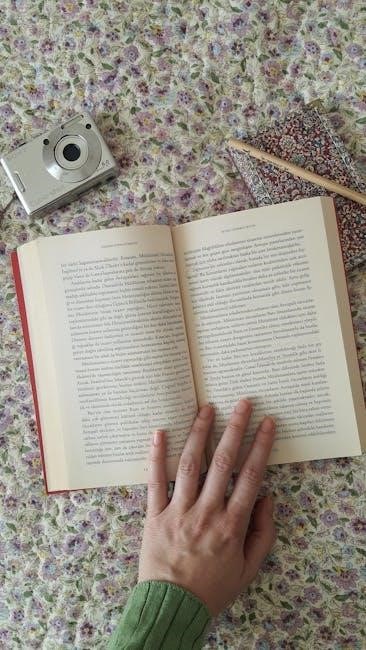
Hampden’s influence extends to the characters’ moral compasses‚ or lack thereof. The college environment‚ combined with their classical studies‚ cultivates a sense of superiority and a willingness to transgress boundaries.
Themes Explored in “The Secret History”

“The Secret History” delves into complex themes of morality‚ guilt‚ and the seductive power of beauty. The novel relentlessly examines the consequences of unchecked intellectualism and the dangers of aestheticism divorced from ethical considerations.
Secrecy and deception are central‚ driving the narrative and shaping the characters’ relationships. The group’s shared secret binds them together‚ yet simultaneously erodes their individual integrity. The exploration of class and privilege is also prominent‚ highlighting the insular world of Hampden College and its students.
The novel grapples with the nature of good and evil‚ questioning whether beauty can justify transgression. Tartt masterfully portrays the characters’ descent into moral ambiguity‚ forcing readers to confront uncomfortable truths about human nature.
Classical Influences: Greek Tragedy and Philosophy

“The Secret History” is deeply rooted in classical literature‚ particularly Greek tragedy and philosophy. Donna Tartt meticulously weaves allusions to ancient texts and concepts throughout the narrative‚ enriching its thematic depth and symbolic resonance.
The novel’s structure echoes the conventions of Greek tragedy‚ featuring a chorus-like narrative voice and a focus on fate‚ hubris‚ and the inevitable consequences of transgression. The characters’ actions are often framed as reenactments of ancient myths‚ highlighting the timelessness of human folly.
Philosophical ideas‚ particularly those of Plato and Nietzsche‚ are central to the characters’ intellectual pursuits and moral dilemmas. The exploration of beauty‚ truth‚ and the pursuit of knowledge reflects the enduring questions posed by classical thinkers.
The Narrative Structure: First-Person Perspective and Retrospection
“The Secret History” employs a distinctive narrative structure‚ utilizing a first-person retrospective voice. The story unfolds through the eyes of Richard Papen‚ years after the events he recounts‚ creating a sense of distance and foreboding. This delayed narration is crucial to the novel’s impact.

The retrospective approach allows Tartt to build suspense and mystery‚ gradually revealing details about the central crime and the characters’ motivations. Richard’s unreliable narration adds layers of complexity‚ as his perceptions are shaped by guilt‚ nostalgia‚ and a desire to understand the past.
The first-person perspective fosters intimacy and psychological depth‚ drawing the reader into Richard’s internal world and allowing for a nuanced exploration of his character. This narrative choice is fundamental to the novel’s exploration of memory‚ truth‚ and the subjective nature of experience.
Critical Reception and Literary Significance
“The Secret History” garnered significant critical acclaim upon its 1992 release‚ establishing Donna Tartt as a major literary voice. Reviewers praised its intricate plot‚ compelling characters‚ and atmospheric prose‚ noting its echoes of classic novels like “Brideshead Revisited” and works of Patricia Highsmith.
The novel’s success sparked widespread discussion about its themes‚ including elitism‚ morality‚ and the seductive power of beauty. It resonated with a generation grappling with disillusionment and a search for meaning. The demand for a “The Secret History” PDF‚ even amidst ethical concerns‚ speaks to its continued relevance.
“The Secret History” is considered a key work of contemporary fiction‚ influencing the rise of the “Dark Academia” aesthetic and inspiring numerous authors. Its enduring popularity demonstrates its lasting literary significance and its ability to captivate readers across generations.
Fan Communities and Online Discussions
“The Secret History” has fostered a vibrant online community‚ with fans engaging in extensive discussions about the novel’s intricacies. Forums and social media platforms are filled with analyses of characters‚ themes‚ and symbolism‚ demonstrating a deep connection to the story.

The search for a “The Secret History” PDF is frequently mentioned within these communities‚ often alongside debates about the ethics of digital piracy. Users share information about availability‚ but also express concerns about supporting the author and the publishing industry.
These online spaces serve as hubs for fan fiction‚ artwork‚ and critical essays‚ extending the novel’s reach and influence. Discussions from late 2020 through 2026 reveal a consistent interest in accessing the text in digital format‚ highlighting the novel’s enduring appeal and the desire for convenient access.
Analyzing the Novel’s Symbolism
“The Secret History” is rich with symbolism‚ prompting extensive analysis from readers and critics alike. Recurring motifs like snow‚ the color red‚ and classical allusions contribute to the novel’s complex layers of meaning. Discussions surrounding these symbols often surface within online forums dedicated to the book.
Interestingly‚ the pursuit of a “The Secret History” PDF often coincides with a desire for deeper textual engagement. Readers seeking digital access frequently express an intention to annotate and analyze the text closely‚ exploring the symbolism in detail.
The accessibility of a digital copy‚ though ethically debated‚ is seen by some as facilitating a more immersive and analytical reading experience. Online conversations from 2020-2026 reveal a correlation between the search for the PDF and a commitment to unraveling the novel’s symbolic tapestry.
The Impact of “The Secret History” on Contemporary Literature
Donna Tartt’s “The Secret History” significantly influenced contemporary literary trends‚ particularly the rise of “Dark Academia” and a renewed interest in psychological thrillers with literary depth. Its impact is frequently discussed in online literary communities‚ often alongside debates about accessing the text.
The demand for a “The Secret History” PDF‚ while raising ethical concerns‚ indirectly demonstrates the novel’s continued relevance and influence on readers. The desire for easy access suggests a widespread interest in engaging with a work that has shaped modern literary tastes.
Online discussions from 2020-2026 reveal that many readers discovered the novel through online recommendations and shared digital resources. This highlights how the accessibility – even through unofficial channels – contributes to its enduring legacy and inspires new generations of writers and readers.
Similar Novels and Authors to Explore
Readers captivated by “The Secret History” often seek similar atmospheric and intellectually stimulating works. Authors like Donna Tartt‚ whose novels are frequently discussed alongside searches for a “The Secret History” PDF‚ inspire a desire for complex narratives and morally ambiguous characters.
Exploring novels with a strong sense of place and academic settings is a natural progression. Consider works by Evelyn Waugh‚ particularly “Brideshead Revisited‚” or novels by Vladimir Nabokov‚ known for their intricate prose and psychological depth. These authors share Tartt’s penchant for exploring themes of privilege and obsession.
Online forums from 2020-2026 frequently recommend these authors to fans of “The Secret History‚” often in the context of discussions about finding accessible reading material. The search for a PDF often leads to broader recommendations‚ expanding readers’ literary horizons.
Finding Reliable Online Resources for Analysis
While the pursuit of a “The Secret History” PDF is common‚ supplementing the reading experience with scholarly analysis is crucial. Numerous online platforms offer insightful interpretations of Tartt’s novel‚ moving beyond simple plot summaries.
Reputable literary websites and academic journals provide in-depth essays exploring the novel’s themes‚ symbolism‚ and narrative structure. University course websites often feature student analyses and professor-led discussions‚ offering diverse perspectives.
Be cautious of unverified sources and fan-based websites‚ as their accuracy can vary. Discussions surrounding the PDF often occur on forums like SECRant.com‚ but these are primarily for community engagement‚ not academic rigor. Prioritize resources with clear author credentials and editorial oversight.
Utilizing online databases and library resources can unlock a wealth of critical essays and scholarly articles‚ providing a deeper understanding of “The Secret History’s” literary significance.
The Role of Secrets and Deception in the Story
Secrets are not merely plot devices in “The Secret History”; they are the very foundation upon which the narrative is built. The initial mystique surrounding the Classics group at Hampden College immediately establishes a world shrouded in concealment‚ mirroring the illicit act at its core.
Deception permeates the characters’ interactions‚ as they construct elaborate facades to protect themselves and maintain the illusion of normalcy. This echoes the broader online desire for quick access – a “The Secret History” PDF – representing a shortcut that bypasses the intended reading experience.
The novel explores how secrets erode trust and distort reality‚ leading to psychological unraveling and moral compromise. The characters’ attempts to control the narrative‚ much like the search for an easily obtainable PDF‚ ultimately prove futile.
Tartt masterfully demonstrates that the act of keeping secrets is often more damaging than the secrets themselves‚ creating a compelling exploration of guilt‚ complicity‚ and the human capacity for self-deception.

“The Secret History” and the Dark Academia Aesthetic
“The Secret History” is widely credited with popularizing the “Dark Academia” aesthetic‚ a subculture celebrated online‚ often visualized through moody imagery of classic literature‚ ivy-covered buildings‚ and intense intellectual pursuits. This resonates with the desire for a readily available “The Secret History” PDF – a quick immersion into that world.

The novel’s setting‚ Hampden College‚ embodies this aesthetic‚ fostering an atmosphere of exclusivity and intellectual elitism. The characters’ obsession with ancient Greece and their secluded lifestyle contribute to the genre’s signature mood.
The appeal lies in the romanticization of knowledge and the exploration of darker themes‚ mirroring the allure of forbidden information – like seeking an unauthorized digital copy.
The online community’s fascination with the book fuels the aesthetic’s continued growth‚ with fans sharing interpretations and creating content inspired by Tartt’s work. This digital engagement parallels the widespread search for convenient access to the text itself.