




Whitney Simmons offers a comprehensive full‑body PDF guide, blending strength, mobility, and HIIT. The plan spans six weeks, featuring barbell sumo squats, hip thrusts, and dumbbell Romanian deadlifts. Downloadable in PDF, it provides exercise details, sets, reps, and progression tips. Great starter..
Download Options
Access the Whitney Simmons full‑body workout guide in multiple formats to suit your device and preference. The official PDF is available for free through the fitness channel’s website, where a simple click on the “Download PDF” button initiates a direct transfer. If you prefer a lighter file, the same content is offered as a plain text (.txt) version that preserves all instructions and rep schemes while eliminating images. For those who enjoy reading on the go, the guide can be viewed online in a responsive layout that automatically adjusts to smartphones, tablets, and desktops. Each format includes the same structured layout: week‑by‑week plans, exercise descriptions, and progression tables. The PDF version is ideal for printing or offline reference, while the text file is perfect for quick look‑ups on a phone. Users can also subscribe to the fitness channel’s newsletter to receive updates on new workouts, seasonal challenges, and exclusive bonus content. All downloads are protected by a simple CAPTCHA to prevent automated scraping, ensuring the content remains free for genuine users. The channel’s privacy policy guarantees that no personal data is collected beyond the email address used for subscription. If you encounter any issues during download, the help center offers step‑by‑step troubleshooting, including clearing browser cache, disabling extensions, and switching to a different browser. For maximum compatibility, the PDF is saved in a 1.7‑compatible format that works on Adobe Reader, Foxit, and most mobile PDF viewers. The text file is encoded in UTF‑8, making it readable on any text editor. Finally, the channel encourages users to share the download link on social media, fostering a community of fitness enthusiasts who can support each other’s progress. Happy training! Start now, feel change, see results today
Full Body Workout Plan
Whitney Simmons’ PDF delivers a six‑week full‑body routine. Weeks 1‑3 focus on legs: Barbell Sumo Back Squats 3×10, Barbell Hip Thrusts 4×12, Dumbbell Deficit Curtsy Lunges 3×15/side, and a superset of Dumbbell Assisted 1‑Leg Romanian Deadlifts 10/side. Weeks 4‑6 ramp intensity, adding upper work and HIIT.
Weeks 1-3 Overview
In the initial three‑week phase of the Whitney Simmons PDF program, the focus is on establishing a robust lower‑body base while integrating compound lifts that activate core stability. The routine follows a structured 3‑week cycle, each week increasing volume or intensity to promote progressive overload.
Week 1 starts with Barbell Sumo Back Squats (3 × 10), targeting quads, hamstrings, and glutes. The wide stance and inward foot angle recruit adductors and improve hip mobility. After squats, Barbell Hip Thrusts (4 × 12) emphasize glute hypertrophy and posterior chain strength. The next exercise, Dumbbell Deficit Curtsy Lunges (3 × 15 per side), challenges balance and unilateral leg power, while the superset of Dumbbell Assisted 1‑Leg Romanian Deadlifts (10 per side) further engages hamstrings and glutes with a controlled eccentric phase.
Week 2 builds on the foundation by adding a moderate increase in load for the squats and hip thrusts, while keeping the rep scheme consistent. The lunge volume remains the same to maintain joint stability, but the superset now incorporates a slight tempo variation—holding the bottom of the deadlift for 2 seconds before returning to the start—to enhance time under tension. Rest intervals are kept at 60‑90 seconds between sets to balance recovery and metabolic stress.
Week 3 shifts the focus slightly toward muscular endurance and metabolic conditioning. The Barbell Sumo Back Squats are performed at 70% of the week‑1 max for 12 reps, while the Hip Thrusts are reduced to 3 × 10 to allow for higher rep ranges. The Dumbbell Deficit Curtsy Lunges remain at 15 reps per side, but the superset of the 1‑Leg Romanian Deadlifts is now executed as a continuous circuit—alternating sides without pause—to elevate heart rate and improve muscular stamina. This week concludes with a brief 10‑minute HIIT burst, integrating body‑weight movements such as burpees, mountain climbers, and squat jumps to cap off the training block.
Weeks 4-6 Overview
Weeks 4‑6 mark the transition from foundational strength to peak conditioning. The program now introduces heavier loads on the Barbell Sumo Back Squats, pushing to 80 % of the week‑3 max for 8 reps across 4 sets, while the Hip Thrusts shift to 5 × 8 to stimulate maximal glute recruitment. Dumbbell Deficit Curtsy Lunges are retained at 15 reps per side but paired with a new accessory—Romanian Deadlifts to blend posterior chain work with shoulder stability. The superset of Dumbbell Assisted 1‑Leg Romanian Deadlifts is replaced by a high‑intensity circuit: 10 reps per side, followed immediately by a 30‑second plank, then a 15‑second side‑bridge on each side, repeating for 3 rounds. This structure increases metabolic demand and core endurance; Throughout weeks 4‑6, rest intervals are tightened to 45‑60 seconds, encouraging lactate tolerance. A 15‑minute HIIT segment, featuring burpees, box jumps, and kettlebell swings, is added at the end of each session to elevate heart rate and promote fat oxidation. Progress is measured weekly daily!
To support recovery, the plan includes a dedicated mobility routine featuring hip flexor rolls, thoracic spine circles, and ankle dorsiflexion drills. Each session ends with a 5‑minute cooldown of light cardio and static stretches, ensuring muscles are primed for the next workout. Participants are encouraged to track perceived exertion on a 1‑10 scale, aiming for 7‑9 during heavy sets to maximize hypertrophy while preventing overtraining Foam rolling and yoga aid muscle repair

Weekly Breakdown
Each week follows a 3‑day split: Day 1 focuses on upper body strength, Day 2 targets lower body power, and Day 3 blends full‑body HIIT. Rest days are active recovery with mobility drills. Progression is built by adding 5 % load every two weeks. Consistency, form, key avoid injury.
Day 1 Upper Body
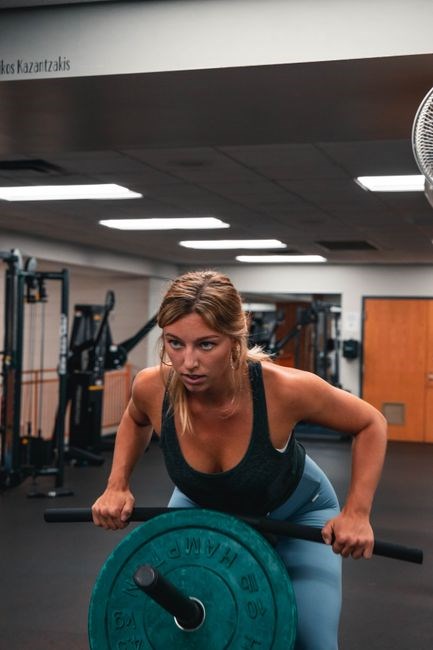
Whitney Simmons’ PDF guide structures the first day around compound lifts that recruit multiple muscle groups, ensuring a balanced stimulus for the chest, back, shoulders, and arms. The routine begins with a warm‑up of 5–7 minutes of dynamic mobility, focusing on thoracic rotation and shoulder circles to prepare the joints for load. The main set sequence follows a classic push‑pull pattern: a heavy barbell bench press or dumbbell chest press, 4 sets of 8–10 reps, followed by a high‑volume row variation—either barbell bent‑over rows or single‑arm dumbbell rows—3 sets of 12 reps. This pairing maximizes posterior chain engagement while maintaining posterior stability. After the core lifts, the plan incorporates isolation work: overhead triceps extensions, lateral raises, and hammer curls, each performed in supersets to keep the heart rate elevated. The supersets are structured as 3 rounds of 10 reps for each pair, with minimal rest to enhance muscular endurance. The session concludes with a brief core circuit—plank variations, Russian twists, and bird‑dog—lasting 8 minutes, reinforcing core stability that supports the heavy lifts. The PDF also recommends progressive overload by adding 2.5 kg to the barbell or increasing dumbbell weight every two weeks, while emphasizing proper form and controlled tempo to reduce injury risk. Finally, the guide advises a 60‑second rest between supersets and a 2‑minute rest after the main compound sets, ensuring adequate recovery for optimal performance. This balanced approach not only builds strength but enhances joint health, making it suitable for beginners daily athletes daily alike.!!!
Day 2 Lower Body
Whitney Simmons’ PDF routine for the second day zeroes in on posterior chain dominance while preserving joint integrity. The session opens with a 5‑minute dynamic warm‑up: ankle circles, hip flexor rolls, and body‑weight squats to mobilize the hips. The first main lift is the Barbell Sumo Back Squat, 3 sets of 10 reps, performed with a wide stance to recruit adductors and glutes. The barbell sits on the upper traps, and the lifter descends until the thighs are parallel to the floor, pausing briefly before driving upward. Next, the Barbell Hip Thrusts—4 sets of 12 reps—target the gluteus maximus; the lifter sits on a bench, the bar over the hips, and pushes the hips upward until the torso is fully extended, squeezing at the top. Following the thrusts, a curtsy lunge variation using dumbbells is executed: 3 sets of 15 reps per side, stepping one leg back and down into a lunge while keeping the torso upright, which challenges balance and activates the quadriceps and glutes. The workout culminates with a superset: Dumbbell Assisted 1‑Leg Romanian Deadlifts, 10 reps per side, followed immediately by a dumbbell single‑arm row, 10 reps per side. This combination engages the hamstrings, glutes, and upper back in a single flow, maximizing time efficiency. Rest intervals are set at 90 seconds between sets and 2 minutes between supersets, allowing for recovery while maintaining intensity. The PDF stresses progressive overload: add 2.5 kg to the barbell or increase dumbbell weight every two weeks, and always focus on a controlled eccentric phase to build strength safely. This lower‑body template is ideal for building a solid foundation that supports upper‑body gains and overall athletic performance, and inspires confidence.!!!
Exercise Details
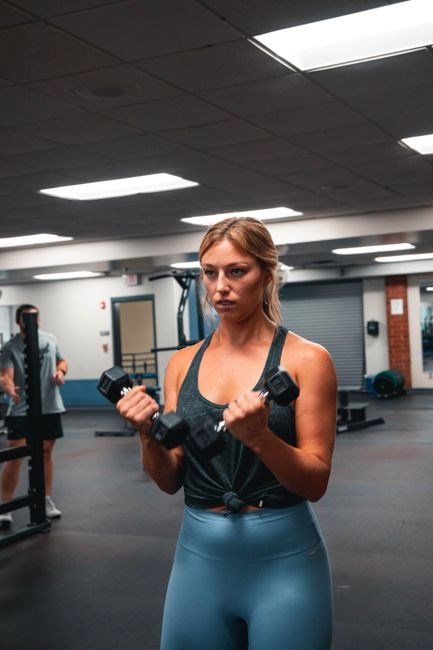
Each movement in the PDF is broken down with sets, reps, tempo, and rest. For example, Barbell Sumo Squats: 3×10, 3‑second descent, 1‑second pause, 2‑second lift, 90‑second rest. Dumbbell Romanian Deadlifts: 3×12, controlled eccentric, 2‑second lift, 2‑minute rest. Keep form.!
Barbell Sumo Back Squats
Whitney Simmons’ PDF guide specifies a classic sumo stance, feet wide, toes angled outward, bar resting on the upper traps. The prescribed set scheme is 3 sets of 10 reps, each rep performed with a controlled descent, a brief pause at the bottom, and a powerful concentric lift. The tempo is 3 seconds down, 1 second pause, 2 seconds up, and a 90‑second rest between sets. This pattern targets the glutes, inner thighs, and posterior chain while minimizing joint stress. The guide emphasizes proper alignment: knees tracking over toes, chest up, and core engaged throughout. A progressive overload approach is recommended: add 5–10 lb to the bar each week if form remains clean. For beginners, start with an empty bar or a light load to master the technique before increasing weight. The PDF also includes a video link for visual reference, ensuring the reader can see the exact foot placement and bar path. Additionally, the plan suggests a warm‑up routine of 5–10 minutes of dynamic mobility work—hip circles, leg swings, and bodyweight squats—to prepare the muscles and joints. After completing the prescribed sets, a cool‑down stretch focusing on the quads, hamstrings, and adductors is advised to aid recovery. By following this structured protocol, users can build strength, improve squat depth, and reduce injury risk while staying aligned with Whitney’s overall fitness philosophy. The PDF recommends a foam roll and 5‑minute cool‑down stretch to aid recovery and prevent soreness. Exercises fit all level
Dumbbell Assisted 1‑Leg Romanian Deadlifts
Whitney Simmons’ PDF workout plan features the dumbbell‑assisted single‑leg Romanian deadlift as a key posterior‑chain movement. The exercise is performed with a dumbbell in each hand, the feet planted shoulder‑width apart, and a slight bend in the knee of the working leg. The lifter leans forward from the hips, keeping the back neutral, and lowers the dumbbells toward the floor while the non‑working leg extends straight behind, creating a 90‑degree angle at the hip. The movement is paused for one second at the lowest point before the glutes and hamstrings contract to return the torso upright. The prescribed set scheme is 3 sets of 10 repetitions per side, with a 60‑second rest between sets. The tempo is 3 seconds eccentric, 1 second pause, 2 seconds concentric. This tempo trains both strength and muscular endurance. The guide stresses the importance of a stable core, a slight forward lean of the torso, and a controlled descent to avoid hyperextension of the lower back. For beginners, the plan recommends starting with a lighter dumbbell (10–15 lb) to master form before progressing to 20–25 lb for optimal results consistency. The PDF also includes a video clip that demonstrates proper foot placement, bar path, and breathing technique, ensuring users can replicate the movement accurately and safely. By integrating this exercise into the weekly routine, users target the glutes, hamstrings, and core, improving posterior chain strength and balance while reducing injury risk. Enjoy consistent progress daily!!
Equipment Needed
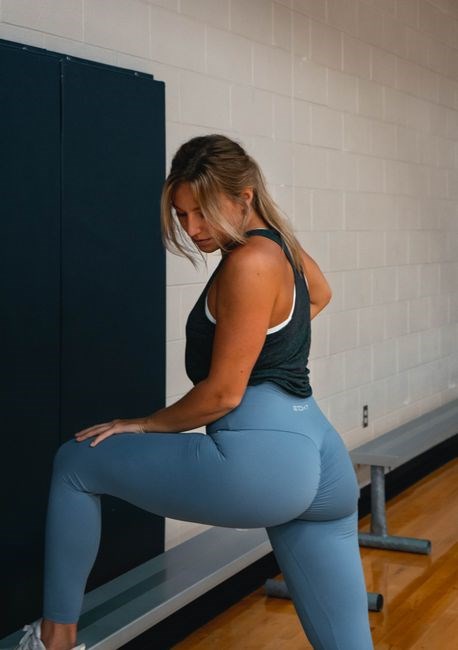
Whitney Simmons’ downloadable PDF workout plan lists a concise set of gear that supports the six‑week full‑body regimen. The core items are a standard Olympic barbell (45 lb/20 kg) with adjustable plates, a pair of dumbbells ranging from 10 lb to 25 lb (4.5 kg to 11 kg) for unilateral work, and a sturdy squat rack or power cage to secure the barbell during squats, hip thrusts, and deadlifts. A set of resistance bands (medium‑to‑heavy) is recommended for added tension during hip thrusts and to assist in the single‑leg Romanian deadlift with a balanced. A flat, stable bench or a set of padded benches is useful for seated hip thrusts and for performing the dumbbell deficit curtsy lunges with a controlled descent. A yoga mat or padded surface is advised for floor‑based exercises such as the glute bridge, to protect the spine and provide grip. Optional accessories include a weightlifting belt for heavy lifts, wrist wraps for grip support, and a timer or interval app to manage HIIT sessions. All equipment should be set up in a safe, well‑lit area with enough clearance to perform full‑range movements; The PDF also suggests using a mirror to monitor form and a notebook or digital app to log sets, reps, and weights for tracking progress. By gathering these items, you’ll have everything needed to execute every exercise in the plan with proper technique and safety. This equipment list ensures a complete, safe, and effective training experience for anyone following the Whitney Simmons PDF program. Enjoy the transformation! Now
HIIT Sessions
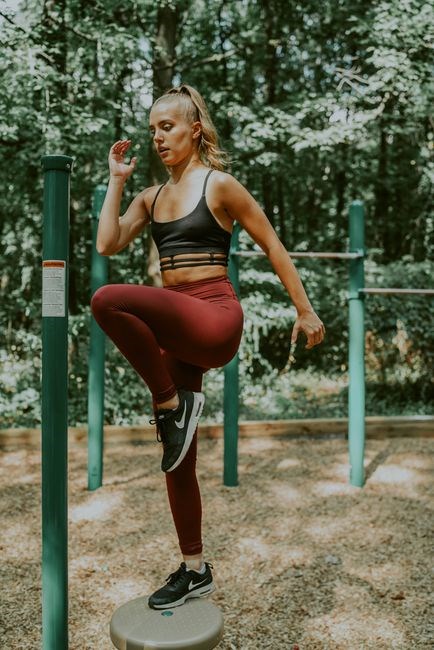
Whitney Simmons’ PDF includes a dedicated HIIT module designed to complement the strength blocks. The routine is structured around 30‑second bursts of high‑intensity movement followed by 15‑second rest, repeated for 4–5 rounds per circuit; Sample drills include squat jumps, mountain climbers, burpees, high‑knee sprints, and kettlebell swings (if available). Each circuit targets cardio, explosive power, and muscular endurance, ensuring a calorie‑burning finish. The plan suggests performing the HIIT on non‑strength days or after a light warm‑up, keeping the total session under 20 minutes. For beginners, the PDF recommends a 2‑minute warm‑up of dynamic stretches, then 8 rounds of 20‑second work/10‑second rest, gradually progressing to 30‑second intervals. Advanced users can add weighted vest or resistance bands to increase load. The PDF also emphasizes proper breathing, maintaining a steady rhythm, and staying hydrated. Tracking progress is encouraged by noting the number of rounds completed and perceived effort on a scale of 1–10. This HIIT component is integral to the overall plan, boosting metabolic rate, improving cardiovascular health, and enhancing recovery between strength sessions. By integrating these short, intense bursts, users can achieve a balanced, full‑body regimen that maximizes results while keeping workouts efficient and engaging.To further elevate intensity, incorporate a 30‑second core blast featuring planks, Russian twists, and bicycle crunches, ensuring a full‑body burn!!!..

Nutrition Tips
Whitney Simmons’ PDF emphasizes balanced nutrition to support the six‑week full‑body program. The guide recommends a macro‑ratio of roughly 40% protein, 30% carbs, 30% healthy fats, with an emphasis on whole foods. Prior to workouts, a small carb‑protein snack—such as a banana with Greek yogurt—boosts glycogen and aids recovery. Post‑exercise meals should include a protein source (chicken, tofu, or a protein shake) and complex carbs (sweet potato, quinoa) to replenish stores. Hydration guidelines advise at least 3 liters of water daily, with electrolytes added during longer HIIT sessions. Portion control is highlighted; use the “hand‑size” method: a palm of protein, a fist of carbs, and a cupped hand of fats. The PDF also suggests limiting processed sugars and fats, while incorporating foods like berries, leafy greens, and anti‑inflammatory omega‑3 fish. Meal timing is flexible but encourages eating every 3–4 hours to maintain energy levels. For those seeking weight loss, a modest calorie deficit of 200–300 calories per day is recommended, while strength‑focused athletes may increase intake by 250 calories. The guide includes sample meal plans, snack ideas, and grocery‑shopping lists to streamline prep. Finally, the PDF stresses consistency: nutrition is the foundation of progress, so track intake with a food journal or app, adjust macros as needed, and celebrate small victories along the journey. Additionally, the PDF recommends incorporating a pre‑workout protein shake with a scoop of whey or plant‑based protein, blended with a handful of berries and a tablespoon of flaxseed, to provide sustained energy and omega‑3 support. Post‑workout, a recovery smoothie featuring banana, spinach, almond milk, and a tablespoon of peanut butter can help reduce muscle soreness. The guide also advises limiting caffeine intake to no more than 200 mg per day, especially in the late afternoon, to avoid sleep disruption. For those following a vegetarian or vegan diet, the PDF suggests using lentils, chickpeas, and tempeh as protein alternatives, and pairing them with brown rice or whole‑grain pasta. It also encourages mindful eating practices, such as chewing each bite thoroughly and eating slowly, to improve digestion and satiety. Tracking progress with a simple spreadsheet or a nutrition app helps maintain accountability and allows for adjustments based on training intensity and body composition goals.
Progress Tracking
Whitney Simmons’ PDF emphasizes balanced nutrition to support the six‑week full‑body program. The plan recommends a macro‑ratio of roughly 40% protein, 30% carbs, 30% healthy fats, with an emphasis on whole foods. Prior to workouts, a small carb‑protein snack—such as a banana, Greek yogurt—boosts glycogen and aids recovery. Post‑exercise meals should include a protein source (chicken, tofu, or a protein shake) and complex carbs (sweet potato, quinoa) to replenish stores. Hydration guidelines advise at least 3 liters of water daily, with electrolytes added during longer HIIT sessions. Portion control is highlighted; use the “hand‑size” method: a palm of protein, a fist of carbs, and a cupped hand of fats. The PDF also suggests limiting processed sugars and fats, while incorporating foods like berries, leafy greens, and anti‑inflammatory omega‑3 fish. Meal timing is flexible but encourages eating every 3–4 hours to maintain energy levels. For those seeking weight loss, a modest calorie deficit of 200–300 calories per day is recommended, while strength‑focused athletes may increase intake by 250 calories. The guide includes sample meal plans, snack ideas, and grocery‑shopping lists to streamline prep. Finally, the PDF stresses consistency: nutrition is the foundation of progress, so track intake with a food journal or app, adjust macros as needed, and celebrate small victories along the journey. Additionally, the PDF recommends incorporating a pre‑workout protein shake with a scoop of whey or plant‑based protein, blended with a handful of berries and a tablespoon of flaxseed, to provide sustained energy and omega‑3 support. Post‑workout, a recovery smoothie featuring banana, spinach, almond milk, and a tablespoon of peanut butter can help reduce muscle soreness. The guide also advises limiting caffeine intake to no more than 200 mg per day, especially in the late afternoon, to avoid sleep disruption. For those following a vegetarian or vegan diet, the PDF suggests using lentils, chickpeas, and tempeh as protein alternatives, and pairing them with brown rice or whole‑grain pasta. It also encourages mindful eating practices, such as chewing each bite thoroughly and eating slowly, to improve digestion and satiety. Tracking progress with a simple spreadsheet or a nutrition app helps maintain accountability and allows for adjustments based on training intensity and body composition goals. Tracking helps spot fatigue spikes or plateaus, letting you tweak rest or swap exercises. A color‑coding system—green for on‑track, yellow for caution, red for off‑track—visualises progress at a glance. Consistent logging turns data into actionable insights, keeping motivation high and results clear. and sustainable progress. Every week. Stay.!
Safety Tips
Whitney Simmons’ PDF stresses safety as a cornerstone of every session. Prior to lifting, a dynamic warm‑up—leg swings, arm circles, and body‑weight squats—raises core temperature and primes the nervous system. Always start with a light bar or empty rack to confirm technique before adding load. For sumo squats, keep the back neutral, knees tracking over toes, and hips pointed slightly outward. Use a spotter or safety pins when approaching 80% of 1RM. Hip thrusts demand a stable bench; place a padded barbell across the hips and drive through the heels, ensuring the spine remains in a neutral arc. When performing dumbbell assisted 1‑leg Romanian deadlifts, maintain a slight bend in the knee, hinge at the hips, and keep the back flat to avoid lumbar strain. Keep the core engaged throughout to protect the spine. For all lifts, avoid jerky movements; instead, use controlled eccentric phases lasting 2–3 seconds. Rest 60–90 seconds between sets to allow partial recovery and prevent fatigue‑related form breakdown. Hydration is vital—drink 500 ml before the workout, then sip 200 ml every 10 minutes. If you feel dizziness or excessive muscle fatigue, pause and reassess. Use proper footwear with a stable sole and consider a weight‑lifting belt for heavy squats, but only if you have mastered the movement without it. By integrating these precautions, you can maximize gains while minimizing injury risk. Additionally, schedule a full recovery day after the most intense HIIT session to allow muscle fibers to repair. Incorporate foam rolling or light mobility work on rest days to reduce stiffness. Keep the training environment clean; ensure the floor is dry to prevent slips, and that all equipment is in good condition. If you are new to the gym, consider a brief session with a certified trainer to verify your form before progressing. Remember to breathe properly—exhale during the exertion phase and inhale during the eccentric phase—to maintain intra‑abdominal pressure and support spinal stability. Use a mirror or video recording to self‑assess posture and make real‑time adjustments. Keep your wrists in a neutral position by gripping the bar slightly below shoulder width, and avoid excessive wrist flexion that can lead to strain. For single‑limb exercises, ensure symmetrical loading by checking that both sides lift at the same rate; asymmetry can cause compensatory patterns. Maintain wrist alignment to prevent strain. Use light weights for warm‑up sets to prime joints. Hydrate well. Keep.